Thank you so much for reading my blog posts and waiting patiently for the agriculture posts. Posting from my phone is tedious, wifi was extremely temperamental, and to be honest, I had other ways I wanted to spend my last few days/hours in Haiti this past week. I promised some information about chicken farmers and chicken sponsors for children’s homes. Today, we’ll start with KORE’s version of microfinance, chickens, and empowering an individual to provide for his or her family.
Microfinance is a source of financial services for entrepreneurs and small businesses lacking access to banking and related services.” – Wikipedia definition
We spent all day Thursday with Josue (Joshua) and Robinson, two incredibly knowledgeable, gracious, and busy KORE employees. Both men are Haitian, and both have a desire to be a part of a change in the culture of poverty around them. Josue (self described “marketing guy”) was incredibly helpful and inspiring as he guided us through the day’s many field trips out to farming families. Robinson was very busy and at first very serious, but he ended up making us laugh all afternoon with his jokes! (Robinson for president!)
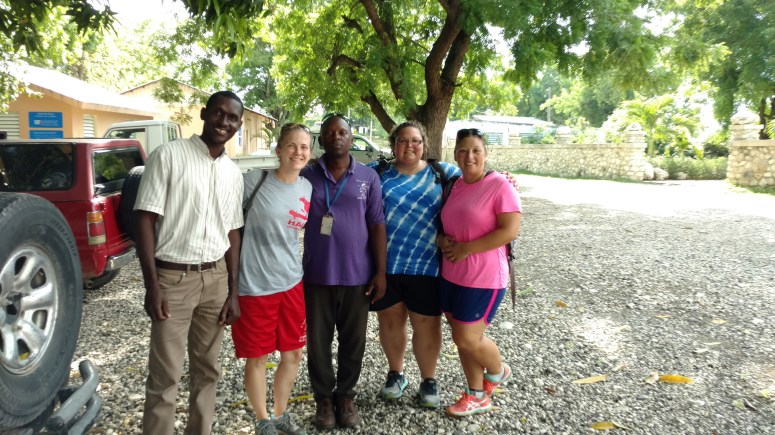
Josue. This guy is one of the coolest! One of eight children, son of two school teachers, he and all of his siblings have finished at LEAST high school. After finishing his masters degree in microfinance and world economics in Belgium, he worked on his thesis for 6 months in Ghana, Africa with a Belgian NGO. We had the honor of riding around with him all day. He speaks “about five” languages, and his translation for us as we interviewed and got to know farm families was very appreciated!
How is a loan different than a gift? Here’s what Josue had to say about that!
So I know I’ve inundated you with videos and media about this experience, but I actually have a few hours (yes, hours) more of footage. I plan on working to put together a series of short video clips for our third graders this year as we embark on our global citizenship learning adventures.
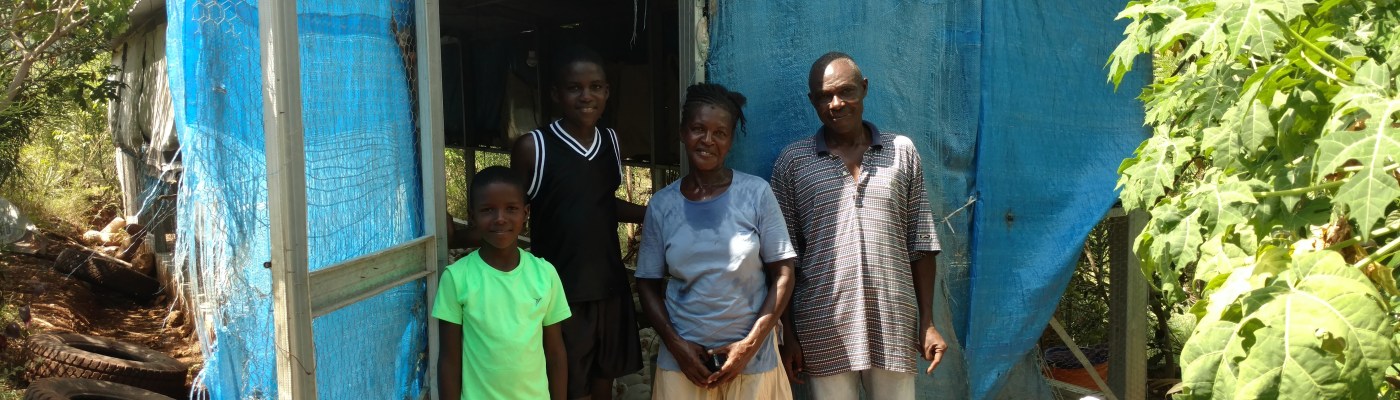
Here’s the summary. We traveled around Gressier and Leogane, Haiti, interviewing 7 different farmers and sometimes their families. Some were very successful and have been participating for long enough their loans have been repaid in full! Now they are proudly enjoying the profits of their labor. Others are in the midst of bad luck- diseased cycles of chickens, lost profits, and frustration as they adjust to the risks involved in being small business farmers. In the states, we have farmer’s insurance- Josue explained this is not the case for the farmers in Haiti. It can be discouraging when focusing only on the present- and not keeping your eyes on the end goal in mind. Younger farmers seemed to embrace the idea of entrepreneurial business more readily than the older generation. The older farmers spent a lot of time in discussion with Josue and Robinson, as the two men reminded them this is not KORE’s business any longer, it is their own, and they need to work hard to make it profitable for their own families. All visits ended with photos, smiles, and encouragement.
Farmers receive the “loan” of a coop, 400 chicks, feed, and some medicine, as well as education. They then get marketing assistance (more on that next post). A cycle of chickens takes 42 days. After cycle zero (initial cycle), farmers begin making payments on their loans. Currently KORE has over 180 farmers/families participating in the program and the repayment rate is very high. KORE then passes the loan onto another community member. We learned A LOT about what microfinanced agricultural loans look like in Haiti, and we predict it will help our third graders understand even better our focus for the year.
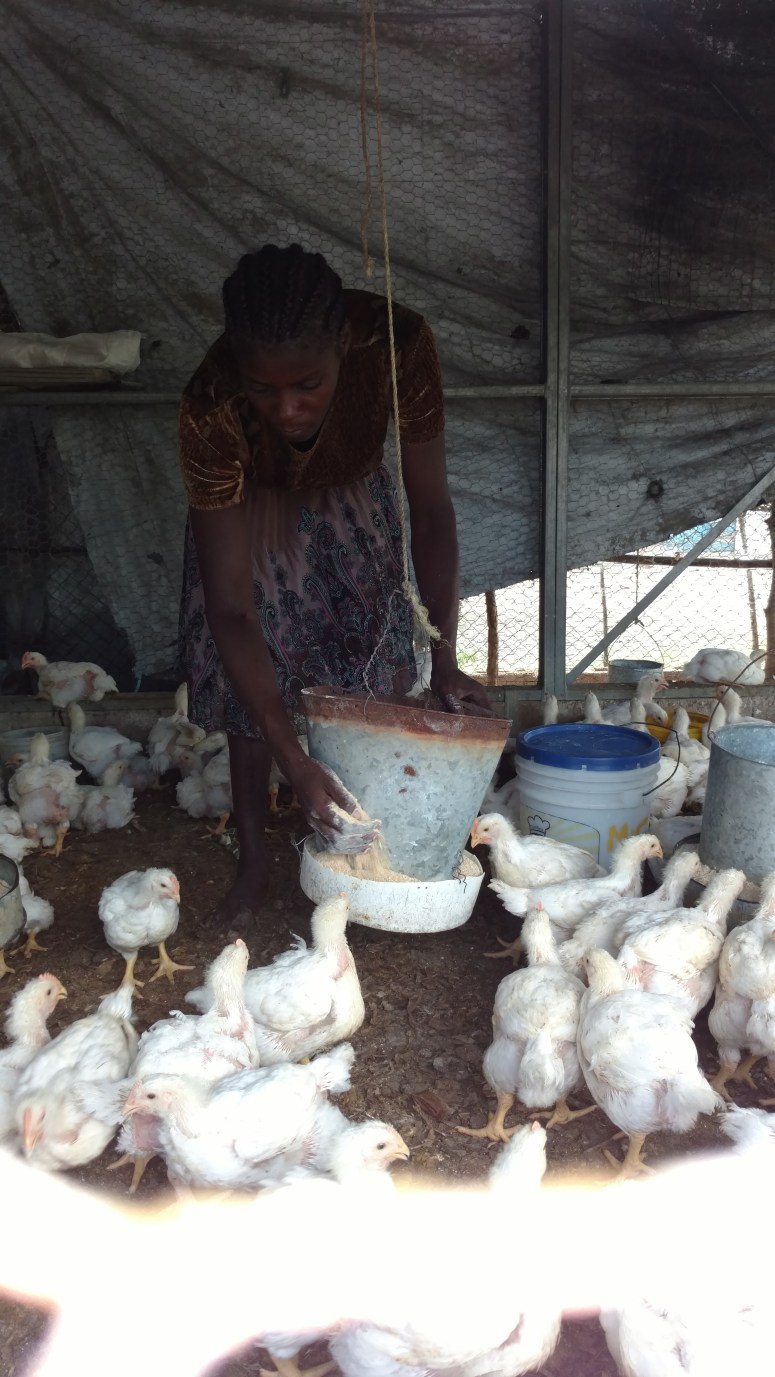
I’ll post a gallery of photos with a short blurb about each farmer we met shortly!
Thank you for following along on our adventures. It’s a JOY to share these experiences with you!
 Learn.Go.Serve.Lead